
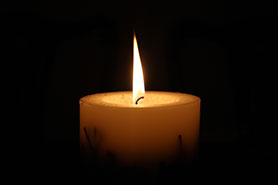
Extinguishing the Paschal Candle
03-07-2019
The Paschal candle, first lit at the Easter Vigil, remains a central symbol of the risen Christ throughout the entire Easter season. In current Catholic parish practice, the Paschal candle is extinguished at the conclusion of Pentecost Sunday, marking the end of Eastertide.
Throughout the fifty days from Easter to Pentecost, the candle is typically placed near the altar or ambo and lit during Mass and other solemn liturgies.
After Pentecost:
- The candle is extinguished and removed from the sanctuary
- It is placed in the baptistry
- It is used throughout the year at Baptisms and funerals, symbolizing Christ’s light in the Christian life
A Note on Older Traditions
Historically, some traditions extinguished the Paschal candle on the Feast of the Ascension (40 days after Easter). While still seen in some places, this is no longer the norm in the modern Roman Rite, which emphasizes Pentecost as the true conclusion of the Easter season.
Why This Matters
The Paschal candle represents Christ as the Light of the World. Keeping it lit through Pentecost reflects the fullness of the Resurrection season—not just Easter Sunday, but the entire journey culminating in the coming of the Holy Spirit.
Frequently Asked Questions About the Paschal Candle
When exactly is the Paschal candle extinguished?
In most parishes today, it is extinguished after the final Mass on Pentecost Sunday, marking the end of the Easter season.
Why do some churches extinguish it on Ascension?
This reflects an older liturgical custom tied to the symbolism of Christ’s Ascension. However, current norms keep it lit through Pentecost.
Where is the Paschal candle kept after Easter?
After Pentecost, it is moved to the baptistry, where it is used during Baptisms and sometimes placed near the casket at funerals.
Is the Paschal candle used outside of Easter?
Yes—throughout the year it is used at:
- Baptisms (lighting baptismal candles)
- Funerals (symbolizing the Christian’s passage into eternal life)